Advertising Content
Animation for commercial spots, social media campaigns, and brand explainer videos.
A Minneapolis-based motion designer presenting a portfolio of animation and visual effects projects for advertising, film, and digital media.
Discuss a Project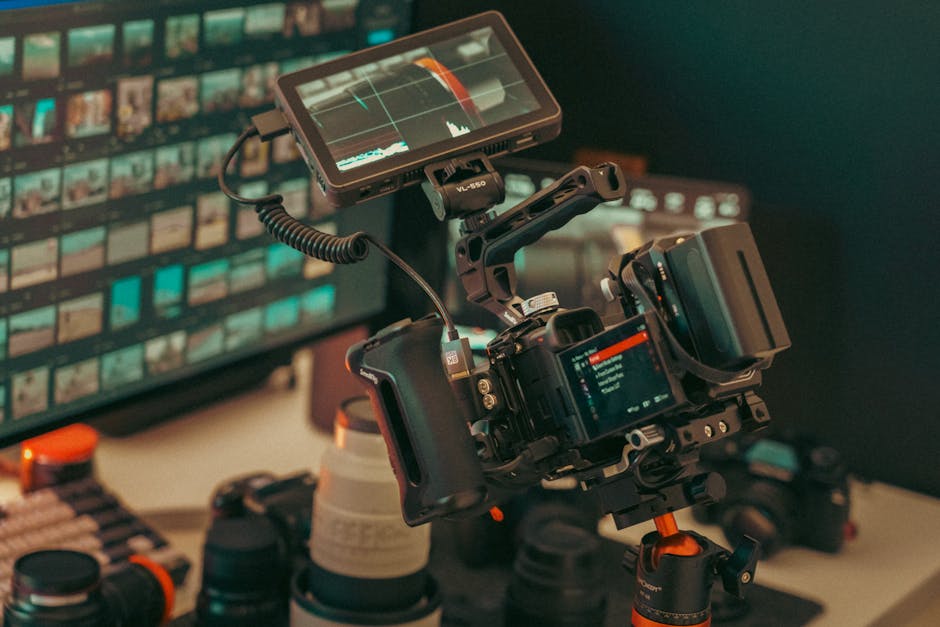
Motion design involves the application of graphic design principles to filmmaking and video production through the use of animation and visual effects. The field incorporates typography, illustration, and cinematography to create moving visual content. This approach is frequently observed in digital media, broadcast media, and film. The methodology can be adapted for various contexts, including brand communication and narrative storytelling.
Cole Motion is a motion design studio operated by Nathan Cole, located in Minneapolis, Minnesota. The studio's activities involve the creation of animated sequences and visual effects. Project work typically includes collaboration with clients in advertising, film production, and digital media sectors. The process often begins with a consultation to discuss visual objectives and project parameters. The studio's methodology is centered on structured animation techniques and compositing workflows.
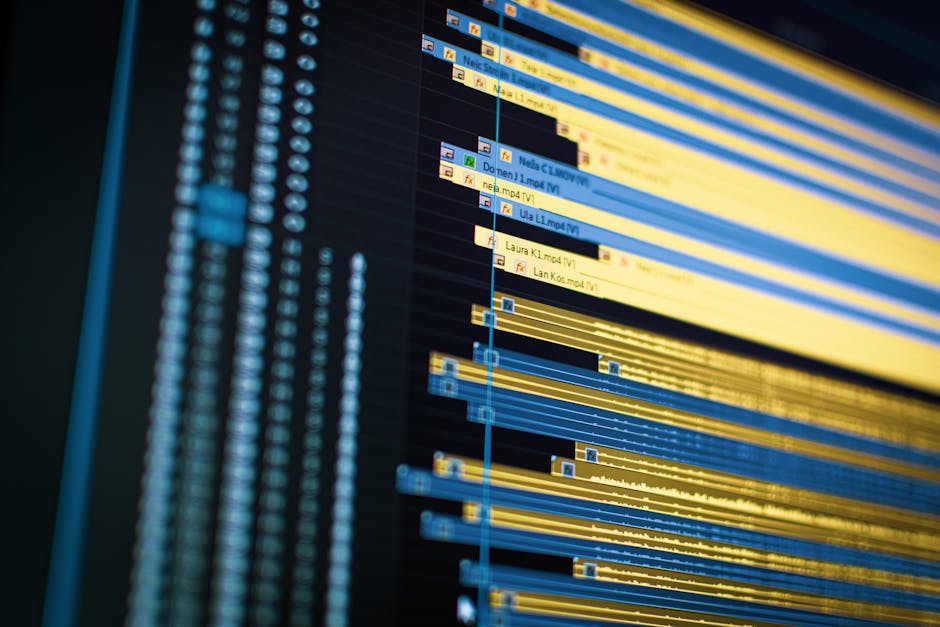
Animation for commercial spots, social media campaigns, and brand explainer videos.
Visual effects compositing and animated title sequences for narrative projects.
Motion graphics tailored for web platforms, apps, and interactive presentations.
A structured approach involving client feedback at defined project stages.
The project management was methodical. The visual concepts presented were aligned with our initial discussions about the campaign's aesthetic direction.
Communication regarding animation timelines and technical parameters was clear throughout the post-production phase of our short film.
We discussed several visual styles for our digital launch. The provided motion tests offered a useful basis for our internal review.
Initiating a motion design project typically involves several considerations. The scope can vary from short social media segments to longer narrative sequences. A project's visual style may be influenced by brand guidelines, narrative context, or platform specifications. Technical parameters, such as format and duration, are often established during preliminary discussions. The complexity of animation and effects work can influence project timelines. A collaborative review process is commonly integrated to align on visual progress.
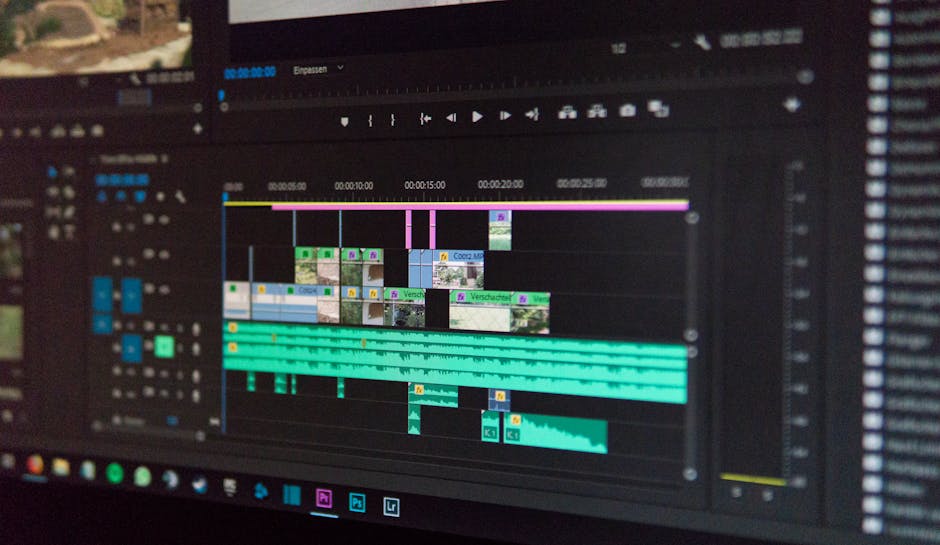
The studio's operational approach is centered on a defined project workflow. This framework includes phases for conceptualization, design, animation, and final delivery. Each phase involves specific tasks, such as asset creation, keyframing, and rendering. The process is designed to accommodate feedback, which may be provided at scheduled intervals. This structured method is intended to provide clarity on project progression. The technical environment includes software for compositing, 3D animation, and graphic design.
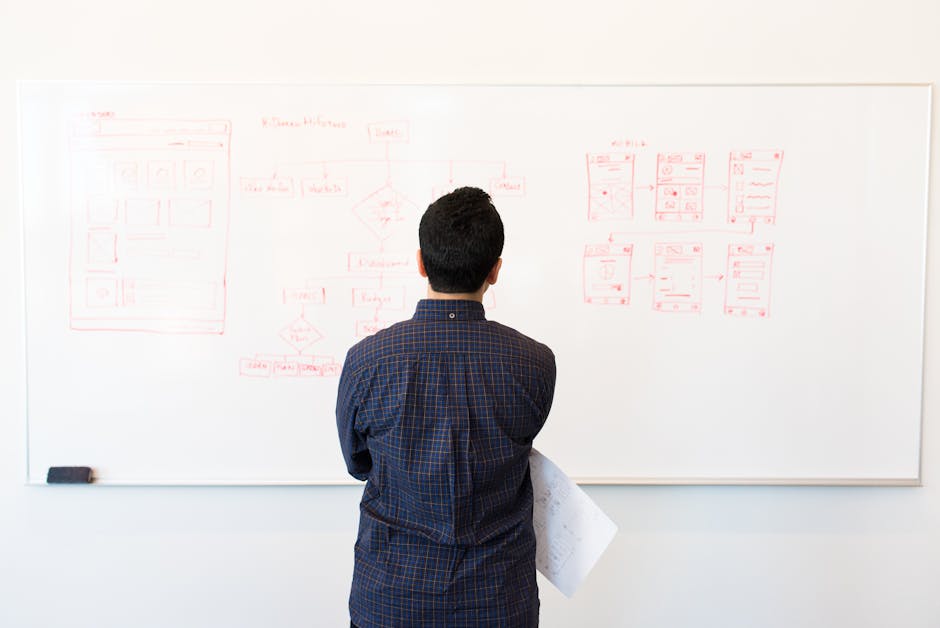
A discussion to outline project goals, visual references, and technical requirements.
Static visual frames are developed to propose the look and feel of animated sequences.
The process of bringing static designs to life through movement and timing.
Final files are prepared and exported according to specified platform and broadcast standards.
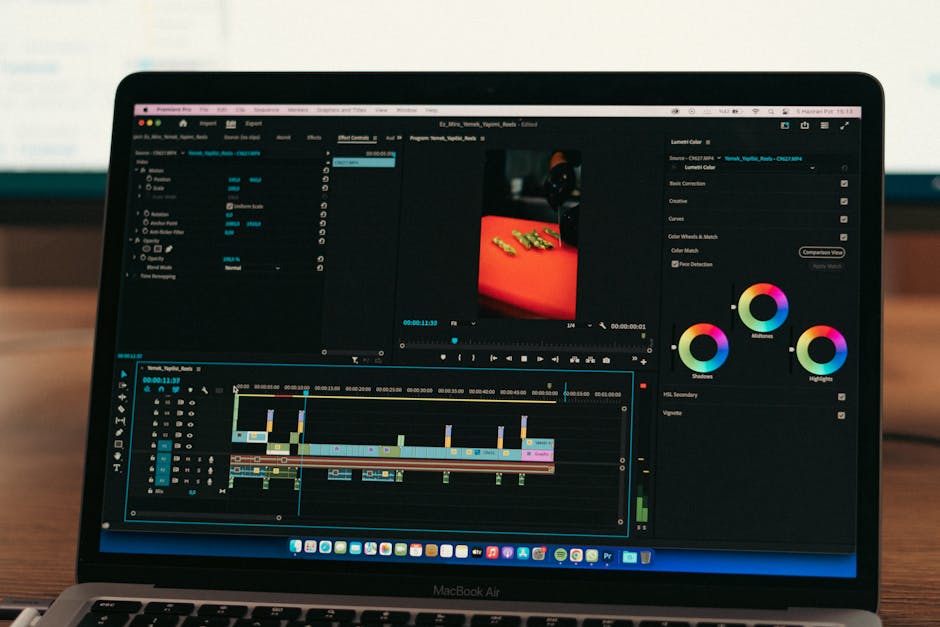
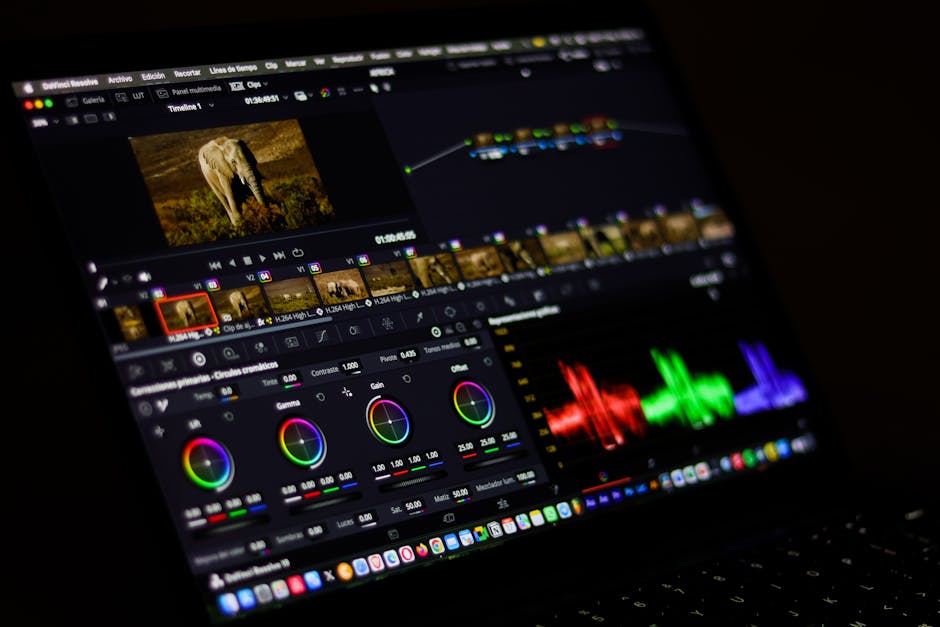
Motion design exists at the intersection of graphic design and time-based media. The technical execution may involve 2D animation, 3D modeling, or visual effects compositing. The creative direction for a project can be informed by art history, contemporary design trends, or specific narrative needs. The work is typically delivered in digital video formats, suitable for broadcast, cinema, or online distribution. The field continues to evolve with advancements in software and rendering technology.
Project initiation at Cole Motion begins with an exchange of information regarding the intended use of the animation. This may include discussions about target audience, distribution platforms, and existing brand assets. A project brief is often compiled to document these parameters. Following this, a visual approach is explored, which may involve mood boards or reference material. This phase is intended to establish a shared understanding before production activities commence. Project timelines and logistical details are also outlined during these preliminary discussions.
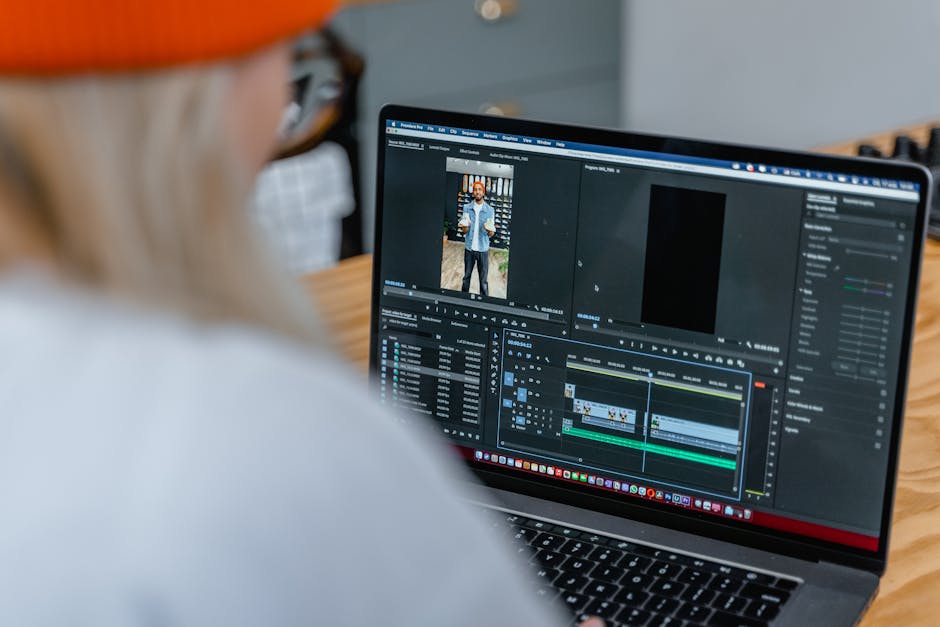
Initial conversations to understand project objectives, scope, and any relevant visual guidelines.
Development of style frames and motion tests to visualize the proposed creative direction.
The phase where all visual elements are animated and composited according to the agreed style.
A structured review period for feedback, followed by final rendering and file delivery.
The studio's workflow is structured to support collaboration. This may involve coordinating with art directors, video editors, or marketing teams. Clear communication channels are established to share progress and gather input. The review process is designed to integrate feedback at defined stages, which can help align the visual output with broader project goals. This collaborative dynamic is a common aspect of media production, where multiple specializations converge. The process aims to maintain a clear record of decisions and revisions.
Motion design functions as a form of visual communication, combining imagery, typography, and sound over time. Its application can be observed in various contexts, from commercial advertising to artistic short films. The effectiveness of a motion piece in conveying information or emotion can depend on multiple factors, including design principles, pacing, and audience perception. The field draws from disciplines such as graphic design, cinematography, and traditional animation. The continuous development of digital tools offers new methods for creating and distributing this type of content.
A prospective client makes contact to provide a basic overview of their project idea or needs.
A follow-up conversation to explore project details, timelines, and logistical considerations in depth.
A formal outline of the project scope, methodology, and terms is prepared for mutual review.
Project initiation, including asset collection and scheduling the first creative phase.
For discussions regarding potential motion design projects, please use the contact form or details below.